Why Traditional Employee Surveys Are Failing Modern Workplaces
Annual surveys show that people are unhappy, rarely why. Learn why survey fatigue, low trust and slow reports fail modern teams, and what works instead.
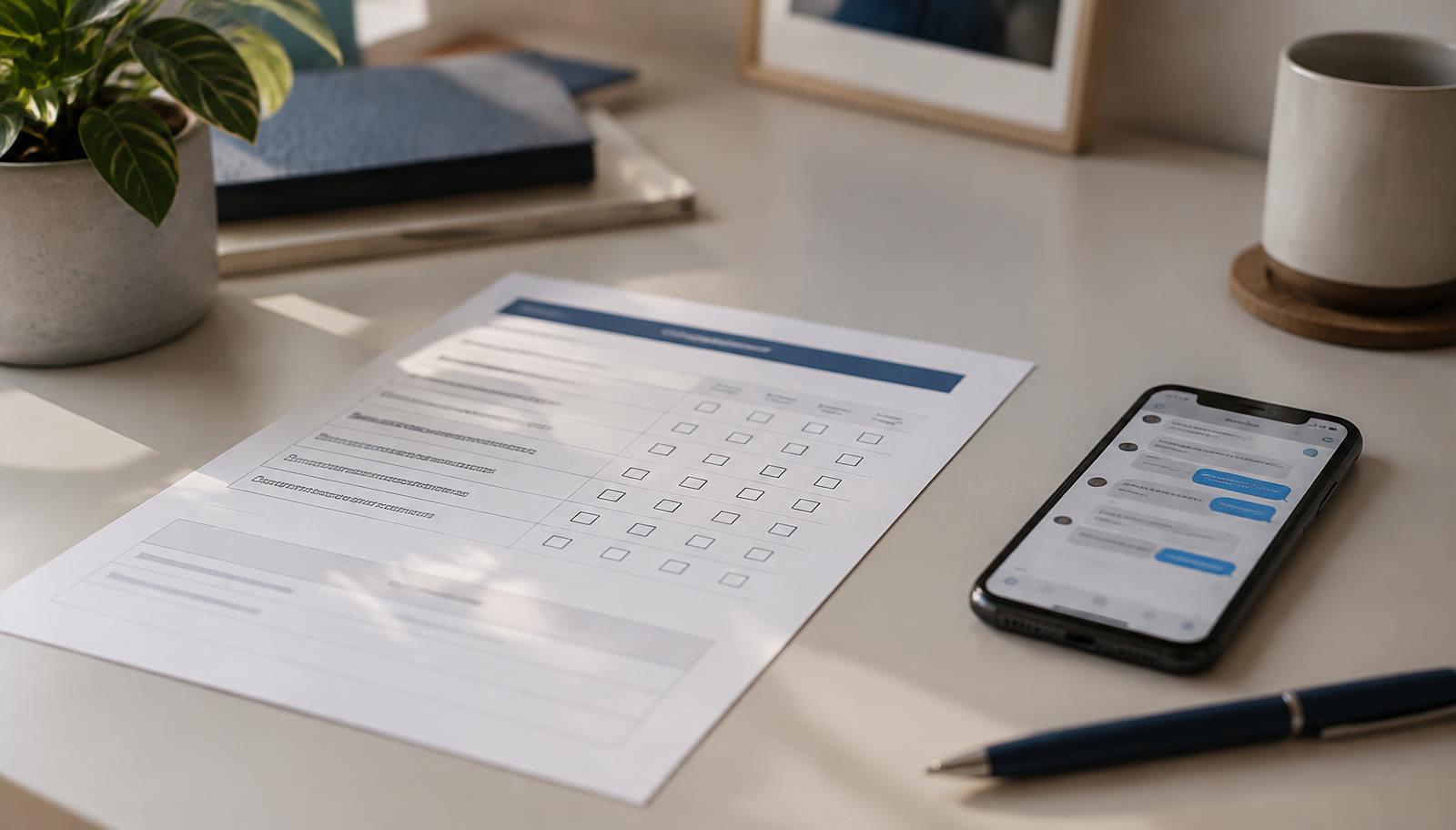
For decades, the annual engagement survey has been the default way organizations listen to their people. A long form goes out, a share of employees fill it in, and months later leaders receive a deck of charts. Yet in modern workplaces, with hybrid teams, frontline staff and constant change, this model no longer tells leaders what they actually need to know.
The problem: surveys tell you that, not why
A score of 3.2 out of 5 on recognition shows that something is wrong. It does not explain whether people feel overlooked by their manager, unrewarded for extra hours, or simply unsure what good work looks like. Without the why, leaders are left guessing, and guessed actions rarely land.
Five reasons traditional surveys fall short
1. Survey fatigue lowers participation
Forty question forms compete with real work. Many employees skim, pick the middle option, or skip the survey entirely, so results reflect the most available people rather than the whole workforce.
2. Frontline voices are missed
Shop floor, warehouse, retail and field teams often lack a company laptop or email login. A survey built for desk workers quietly excludes the people closest to customers and operations.
3. Fixed questions cannot follow up
When someone answers that workload is a concern, a form cannot ask what is driving it. The most valuable detail stays unsaid.
4. Trust and anonymity worries
If employees doubt their answers are private, they soften them. Honest feedback needs visible privacy protections, such as never showing individual replies and hiding small groups.
5. Insights arrive too late
By the time an annual report is analysed and presented, teams have changed, issues have grown, and people who raised concerns may have already left.
What modern workplaces need instead
- Short, natural conversations on channels people already use, such as WhatsApp and Slack.
- Follow up questions that uncover the reason behind each answer.
- Support for every language and for voice notes, so everyone can take part comfortably.
- Strong privacy: leaders see grouped insights, never individual replies.
- Reports built from real conversation evidence, with clear recommendations, soon after listening ends.
How conversational listening works with Telli2
Telli2 replaces long forms with a friendly conversation. Telli asks a few thoughtful questions, listens, and gently asks more when an answer needs context. When the campaign closes, the replies become a clear report on themes, sentiment and priorities, so leaders know what to act on first.
The bottom line
Traditional surveys measure sentiment, but they rarely explain it. Organizations that move from forms to conversations hear more people, learn the real reasons behind their scores, and act while it still matters. There is always more to tell, if someone truly listens.
Hear what your people really think
Start a short conversation with your team on WhatsApp or Slack.
Get a Demo